
Causes of Numb Feet

Foot numbness is a loss of feeling in part or all of the foot. It may feel like tingling, pins and needles, or reduced sensitivity. Temporary numbness can happen when pressure affects a nerve. Persistent or recurring numbness deserves attention because it can signal an underlying health problem. Symptoms include weakness, balance changes, or difficulty noticing injuries. Finding the cause early can help protect foot health and movement.

Several conditions can contribute to numb feet. Poor circulation may reduce oxygen reaching nerves and tissues. Nerve damage, known as neuropathy, can interfere with normal sensation. Diabetes is a common cause of peripheral neuropathy. Other conditions linked with foot numbness include thyroid disease, kidney failure, and Lyme disease. Injuries and pressure on nerves can also contribute. Risk factors include diabetes, circulation problems, and nutritional deficiencies.


A podiatrist will begin with an evaluation and medical history. The examination may include checking sensation, reflexes, and muscle strength. The podiatrist may also examine footwear, and testing may be recommended to identify the cause. Treatment depends on the diagnosis and may include wearing supportive footwear, protecting areas with reduced sensation, or treating related foot problems. 


Numb feet should not be ignored, particularly when numbness continues or occurs with weakness or skin changes. Reduced sensation can make it easier to miss blisters, cuts, or other injuries, so regular foot checks are important. Wear comfortable, properly fitting shoes, and avoid walking barefoot when sensation is reduced. Protecting the feet can lower the chance of complications while the cause is evaluated. If your feet are numb, it is suggested that you promptly consult a podiatrist who can determine the cause and offer effective management solutions.

Foot Pain

Foot pain can be extremely painful and debilitating. If you have a foot pain, consult with One of our podiatrists from Vitastep Podiatry & Wound Care Institute. Our practitioner will assess your condition and provide you with quality foot and ankle treatment.

Causes

Foot pain is a very broad condition that could be caused by one or more ailments. The most common include:

  • Bunions
  • Hammertoes
  • Plantar Fasciitis
  • Bone Spurs
  • Corns
  • Tarsal Tunnel Syndrome
  • Ingrown Toenails
  • Arthritis (such as Gout, Rheumatoid, and Osteoarthritis)
  • Flat Feet
  • Injury (from stress fractures, broken toe, foot, ankle, Achilles tendon ruptures, and sprains)
  • And more

Diagnosis

To figure out the cause of foot pain, podiatrists utilize several different methods. This can range from simple visual inspections and sensation tests to X-rays and MRI scans. Prior medical history, family medical history, and any recent physical traumatic events will all be taken into consideration for a proper diagnosis.

Treatment

Treatment depends upon the cause of the foot pain. Whether it is resting, staying off the foot, or having surgery; podiatrists have a number of treatment options available for foot pain.

If you have any questions, please feel free to contact our office located in Escondido, CA . We offer the newest diagnostic and treatment technologies for all your foot care needs.

Read more about Foot Pain

What Causes Stress Fractures in the Feet?

Stress fractures are small cracks in bones that develop from repeated force rather than one sudden injury. They frequently affect weight-bearing bones in the feet and lower legs. Runners and athletes can develop these injuries, but anyone who places repeated stress on the feet can be affected. A sudden increase in exercise can raise the risk of a stress fracture. Changes in training surfaces can also place added strain on bones. Pain usually develops gradually and becomes more noticeable with weight-bearing activity. Swelling and tenderness can occur around the injured area.

Stress fractures can affect several bones in the foot. The metatarsals, which are the long bones behind the toes, are frequent sites of these injuries. Stress fractures can also occur in the heel and other foot bones. Weak bones can make a person more likely to develop a fracture from repeated stress. Pain can become more severe when the injury is not properly treated. Continuing activities that place pressure on the injured bone can interfere with healing. Because other foot problems can cause similar symptoms, an accurate diagnosis is important before treatment begins.

A podiatrist can evaluate a suspected stress fracture by examining the painful area and reviewing recent changes in physical activity. Imaging tests can help identify the injury, although some stress fractures are difficult to see on early X-rays. Treatment focuses on reducing pressure on the injured bone so it can heal properly. A podiatrist can use protective devices to limit stress on the foot and recommend appropriate changes in activity. Prompt care can reduce the risk of the crack becoming larger or healing incorrectly. If you have symptoms of a stress fracture, it is suggested that you schedule an appointment with a podiatrist for a diagnosis and appropriate treatment.

Activities where too much pressure is put on the feet can cause stress fractures. To learn more, contact One of our podiatrists from Vitastep Podiatry & Wound Care Institute. Our practitioner can provide the care you need to keep your pain free and on your feet.

Dealing with Stress Fractures of the Foot and Ankle

Stress fractures occur in the foot and ankle when muscles in these areas weaken from too much or too little use.  The feet and ankles then lose support when walking or running from the impact of the ground. Since there is no protection, the bones receive the full impact of each step. Stress on the feet can cause cracks to form in the bones, thus creating stress fractures.

What Are Stress Fractures?

Stress fractures occur frequently in individuals whose daily activities cause great impact on the feet and ankles. Stress factors are most common among:

  • Runners                                
  • People affected with Osteoporosis
  • Tennis or basketball players
  • Gymnasts
  • High impact workouts

Symptoms

Pain from the fractures occur in the area of the fractures and can be constant or intermittent. It will often cause sharp or dull pain with swelling and tenderness. Engaging in any kind of activity which involves high impact will aggravate pain.

If you have any questions please contact our office located in Escondido, CA . We offer the newest diagnostic and treatment technologies for all your foot and ankle needs.

Read more about Stress Fractures of the Foot and Ankle

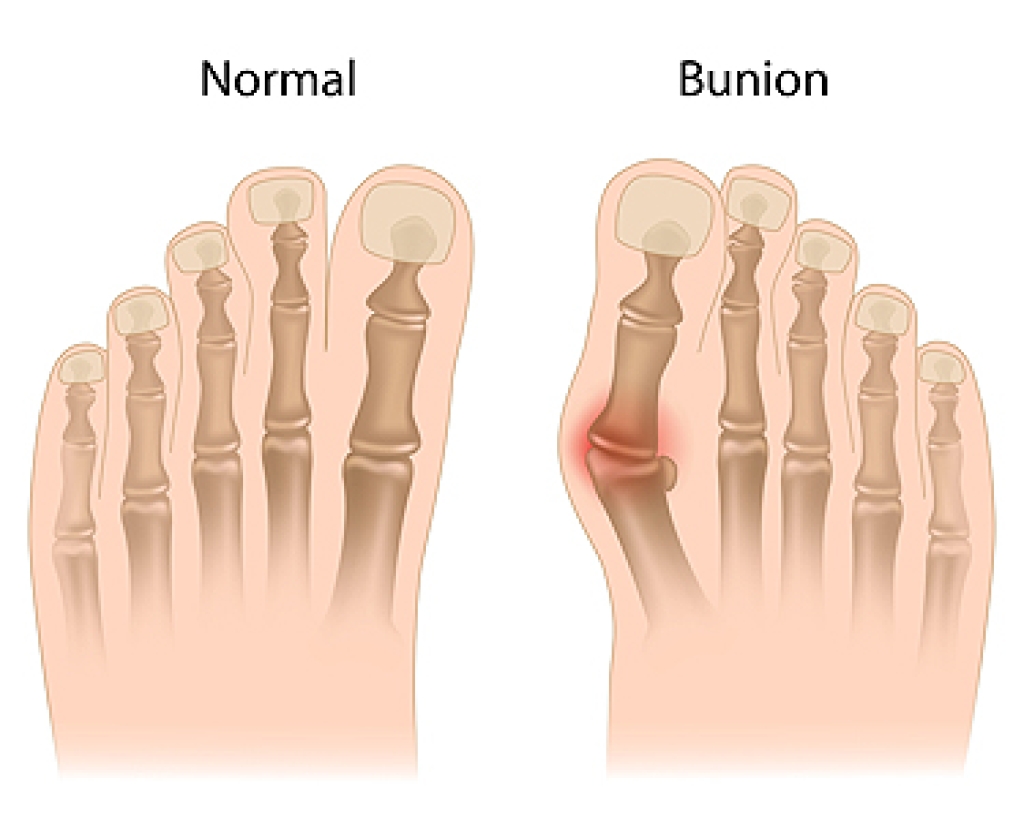
Understanding Bunions and Painful Foot Changes

A bunion is a foot deformity that develops when the big toe gradually moves toward the smaller toes while the joint at its base shifts outward. This creates a noticeable bump along the inside of the foot near the big toe joint. Bunions usually develop gradually and may become more prominent over time. Although some people experience little discomfort, others may develop pain, swelling, or stiffness. Shoes that press against the bump can cause friction and irritation, making standing and walking uncomfortable.

Bunion symptoms can become more noticeable as the deformity progresses. Pain may occur while walking, standing, or while wearing narrow shoes. Swelling and tenderness surrounding the joint are common, and repeated pressure may lead to calluses or thickened skin. The big toe may become less flexible and gradually move closer to the second toe. Genetics, inherited foot structure, abnormal foot mechanics, and footwear that places excessive pressure on the toes may contribute to bunion development. A family history of bunions can also increase the risk.

A podiatrist can evaluate the bunion and determine how it affects foot function. An examination may assess toe alignment, joint movement, and walking mechanics. X-rays may also be recommended to evaluate bone alignment and changes within the joint. Treatment depends on the severity of the bunion and the symptoms involved. Conservative options may include wider shoes, protective padding, and other measures designed to reduce pressure and improve comfort. Surgery may be considered when persistent pain significantly interferes with daily activities.

Early attention to bunion symptoms can help manage discomfort and support healthy foot function. Wearing shoes with adequate room around the toes can reduce pressure on the affected joint. Ongoing pain, swelling, or difficulty wearing shoes should not be ignored. If you have a painful or swollen bunion, it is suggested that you consult a podiatrist for an evaluation, appropriate treatment, and long-term management.

If you are suffering from bunions, contact One of our podiatrists of Vitastep Podiatry & Wound Care Institute. Our practitioner can provide the care you need to keep you pain-free and on your feet.

What Is a Bunion?

A bunion is formed of swollen tissue or an enlargement of boney growth, usually located at the base joint of the toe that connects to the foot. The swelling occurs due to the bones in the big toe shifting inward, which impacts the other toes of the foot. This causes the area around the base of the big toe to become inflamed and painful.

Why Do Bunions Form?

Genetics – Susceptibility to bunions are often hereditary

Stress on the feet – Poorly fitted and uncomfortable footwear that places stress on feet, such as heels, can worsen existing bunions

How Are Bunions Diagnosed?

Podiatrists often perform two tests – blood tests and x-rays – when trying to diagnose bunions, especially in the early stages of development. Blood tests help determine if the foot pain is being caused by something else, such as arthritis, while x-rays provide a clear picture of your bone structure to your provider.

How Are Bunions Treated?

  • Refrain from wearing heels or similar shoes that cause discomfort
  • Select wider shoes that can provide more comfort and reduce pain
  • Anti-inflammatory and pain management drugs
  • Orthotics or foot inserts
  • Surgery

If you have any questions, please feel free to contact our office located in Escondido, CA . We offer the newest diagnostic and treatment technologies for all your foot care needs.

Read more about Bunions