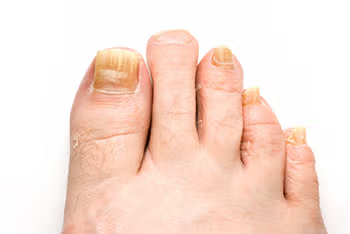
The area of the toes is generally warm and damp, unfortunately making it a great area for fungus to grow. If left untreated, the fungal infection can spread, which is why it’s so important to get professional help early on and look into your treatment options.
Fungal infections occur due to fungus getting through the cracks of the toes or cuts in your skin. Common signs that you may have a fungal infection include thicker than normal toenails, oddly shaped toenails, discoloration, a yellowish hue to the nail, and separation of the nail and nail bed. Fungal infections can affect anyone but are most common among men, those with diabetes or athlete’s foot, and smokers. The risk of having toenail fungus also increases as you age, if another family member has it, and if you have a weaker immune system.
To avoid getting a fungal infection, it’s important that you wash your feet daily with soap and water, making sure to get in between your toes, and dry the feet well. When cutting your toenails, make sure the clippers you’re using are clean and that you’re cutting straight across. It’s also important that you wear shoes in areas where fungus can thrive, such as wet public places like swimming pools or locker rooms.
If you believe you’re experiencing a fungal toenail infection, we recommend that you speak with a podiatrist as soon as possible for a proper diagnosis and suggested plan for treatment.
Frequently Asked Questions.
Laser therapy targets the fungus through the nail plate without damaging surrounding tissue, and works best combined with clinical debridement and good foot hygiene. Because nails grow slowly, clearance shows gradually as healthy nail grows out. Many stubborn infections that resisted creams respond well to this combined approach at our Escondido clinic.
Toenails regrow over roughly 12 months, so visible improvement is gradual: most patients see clearer nail at the base within a few months, with full cosmetic recovery following the nail’s natural growth. Sticking with the treatment plan — and treating shoes and socks — is what prevents reinfection.
Coverage varies. Clinical visits, debridement, and prescription medications are often covered when medically necessary; laser therapy is frequently considered elective and may be out of pocket. Our office will explain your options and costs clearly before you commit to a plan. Call (760) 546-2220.
Fungus thrives in warm, damp environments — sweaty shoes, communal showers, and pool decks. Reinfection usually comes from untreated shoes or a family member’s infection. We pair clinical treatment with a practical prevention plan so the cleared nail stays clear.

